
AI robotics for individuals, families and schools
Train a model.
Build a robot.
Create your own.
Start with required 402 model-building and downloaded-program foundations. Practise Bluetooth control in 451, then train your own pose model for rescue missions and original robot designs.
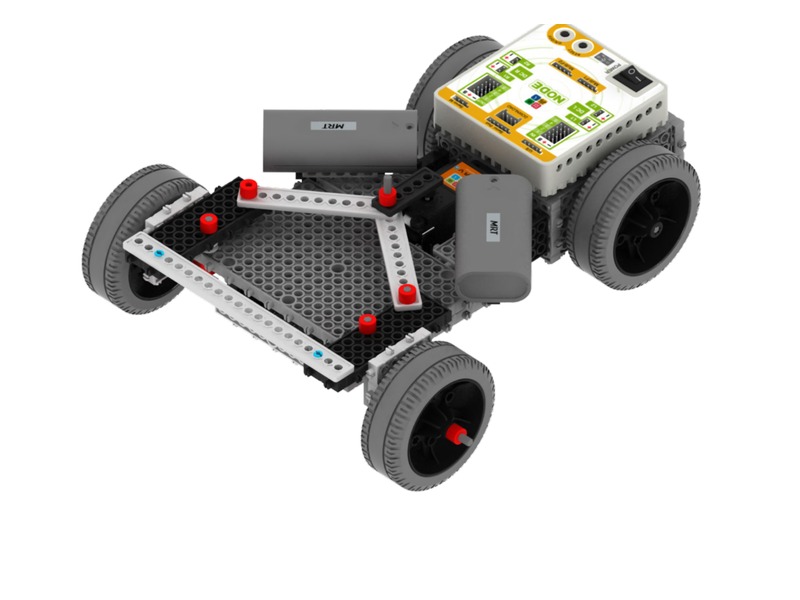
Every AI stage builds on 451
One foundation. Growing possibilities.
451 establishes AI Level 01, 452 develops AI Level 02 and 471 develops AI Level 03. The purpose of completing these three AI stages is to give students the skills to freely design and build the robots they want in 472, rather than only reproduce a supplied model.
Required prerequisite: 402. Complete the required model-building, Node USB downloaded-program and input/output foundations before 451. 451 begins by practising Node Bluetooth with the first eight familiar 402 models, then adds student-trained AI control. 472 is a creative application course, not a fourth official competition stage.
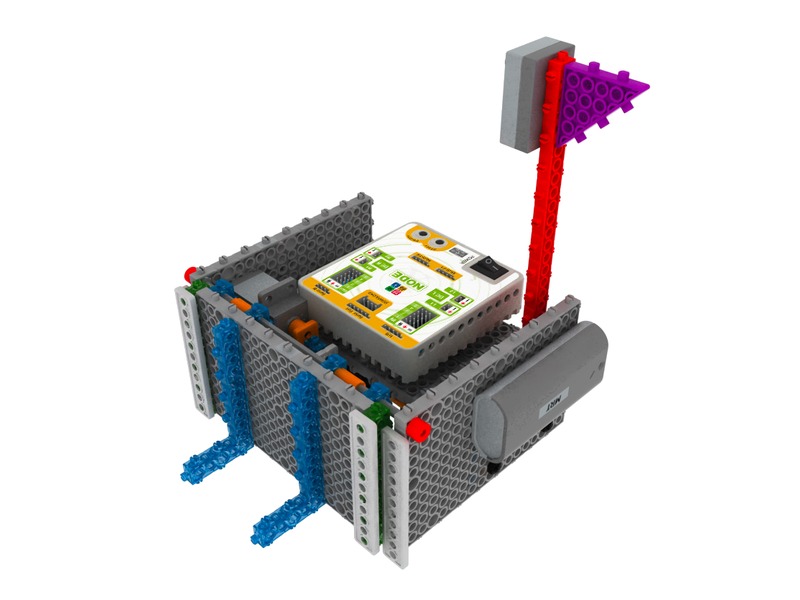
Complete before 451
Required robot-control foundations
Build varied models, download Scratch-style Node USB programs and explain input, decision and output through motors and sensors.
Evidence of learning: Working models, saved projects and a demonstrated input/output explanation.
Official AI Motion Rescue kit · from 2026
MRT AI Set (451) is used from 2026 as the official kit for AI Motion Rescue — Robotics Categories A & B — at the UNSW Robotics & Coding Challenge. View the official kit reference ↗
AI Level 01 · 2027 Term 1
Bluetooth control and pose AI
Collect pose examples, train and evaluate a model, then connect predictions to robot-car control. Improve both the model and the code.
Evidence of learning: Model tests, control code and repeated mission trials.
Planned challenge use & supply: Continuing challenge use is planned for Term 1, 2027 — UNSW Robotics Challenge, AI Level 01. Supply is planned to support this schedule.
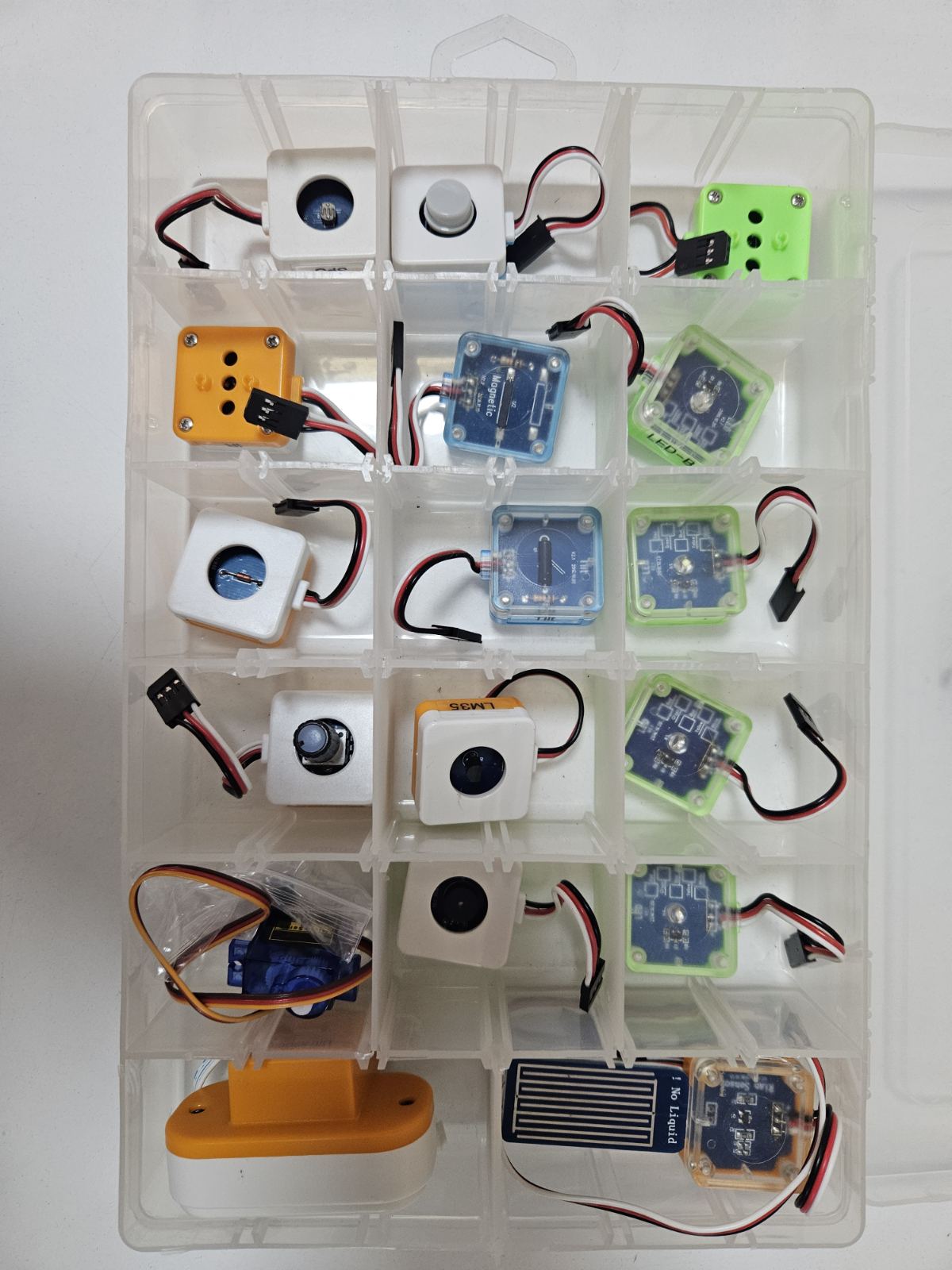
AI Level 02 · 2027 Term 1
AI and sensor decisions
Extend the 451 model and code. Calibrate sensors, set decision priorities and solve more complex missions with safe recovery.
Evidence of learning: Calibration records, decision rules and recovery tests.
Planned challenge use & supply: Supply is planned to align with Term 1, 2027 — UNSW Robotics Challenge, AI Level 02.
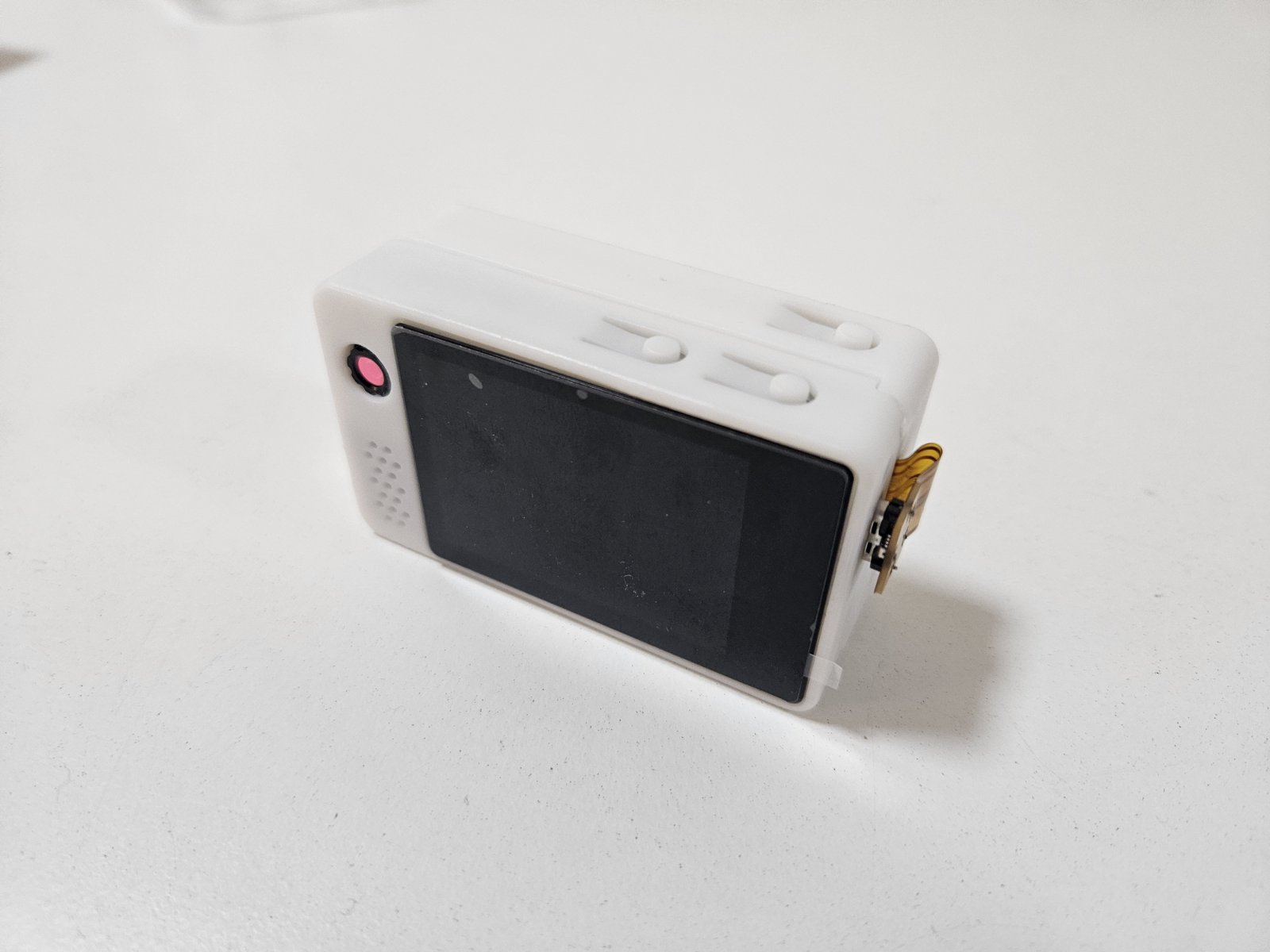
AI Level 03 · 2028 Term 1
Vision, voice and autonomy
Build on 451 and 452 with camera, microphone and speaker capabilities. Combine perception and sensor evidence for autonomous responses.
Evidence of learning: Vision and voice tests, response times and mission trials.
Planned challenge use & supply: Supply is planned to align with Term 1, 2028 — UNSW Robotics Challenge, AI Level 03.
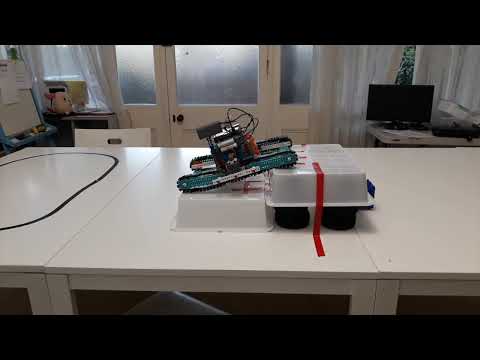
Creative application of Stages 1–3
Your original AI robot
After completing the three AI stages — 451, 452 and 471 — choose your own purpose and freely design, build and improve an original robot. Select the mechanisms, models and control methods that fit your idea.
Evidence of learning: Design brief, prototype, integration tests and project presentation.
451 STARTS WITH FAMILIAR ROBOTS
Eight models. A new way to control them.
After the 402 prerequisite, reconnect familiar mechanisms through Node Bluetooth: DC Motor Emulator, Mini Car, Manual Fan, Clock Ticker, Bumper Car, Turtle Bot, Light Sensor Car and Automatic Light System.
In 402, the downloaded Node USB program runs on the board. In 451, the Node Bluetooth program runs live in Studio. Rebuild the behavior with the correct blocks, verify the connection and practise Stop before adding a trained model.
451 · HIGHWAY COLLAPSE LEARNING STUDIO
Design the rescue. Develop the code.
Basic
Map a tested pose class to one short drive action and an explicit stop. Record motor directions and compare model predictions with the actual response.
Intermediate
Design a guide, tray or capture mechanism. Stop driving before operating a calibrated attachment, and prevent a held pose from repeatedly triggering it.
Advanced
Develop one controller with explicit states, Stop priority, usable-input checks, bounded actions and deliberate recovery. Test and improve the whole model-to-robot chain.
Study credited project evidence, compare design decisions and develop your own robot. New executable projects and block images need separate Studio and physical-model verification.
Open the 451 rescue design and code lesson →A starting point for your setting
Learn at home, with a group or at school.
Individuals and families
Check coding experience, the existing kit and computer compatibility. Complete 402 first, then enter 451 through Bluetooth control practice before AI model training.
Ask about a home learning setupExisting MRT owners
Share your kit name and mainboard label. We will confirm what can be reused and which expansion hardware is needed.
Check your existing kitSchools and centres
Plan equipment quantities, course access, teacher preparation and assessment with the MRT team.
Plan a school programmeExpansion hardware, per existing compatible kit
A clear upgrade budget.
2027 sensor expansion
A$200 excluding GST
Touch switch, tilt, reed/magnetic, rotary potentiometer, CDS light, NTC temperature (NTCT), LM35 temperature, IR, ultrasonic and rain/water inputs. Outputs: red, green, blue, yellow and white LEDs, buzzer and servo.
2028 vision and AI expansion
A$250 excluding GST
Vision, trained voice-command recognition, visual and spoken feedback, and wireless links for robot-control projects. Includes a custom frame to fit MRT sets.
| Expansion | One existing kit | 10 existing kits |
|---|---|---|
| 2027 sensor expansion | A$200 | A$2,000 |
| 2028 vision and AI expansion | A$250 | A$2,500 |
| Both expansions | A$450 | A$4,500 |
Separate costs: freight, course access and teacher training are not included in expansion hardware prices. These are upgrades for existing compatible kits, not complete starter-kit prices. Confirm compatibility and final pack contents before ordering. No separate 472 kit price is specified.
Challenge-aligned supply roadmap
Three AI levels. Supply aligned to each stage.
| Course / product | AI level | Planned challenge term | Supply plan |
|---|---|---|---|
| 451 · MRT AI Set | AI Level 01 | Term 1, 2027 | Used for AI Motion Rescue from 2026; continuing challenge use and supply are planned. |
| 452 · Sensor expansion | AI Level 02 | Term 1, 2027 | Planned supply aligned to the 2027 Term 1 challenge. |
| 471 · Vision and audio expansion | AI Level 03 | Term 1, 2028 | Planned supply aligned to the 2028 Term 1 challenge. |
Expansion product development testing is complete. Lesson production and classroom readiness checks remain in progress. This roadmap records the planned challenge use and product supply; final event dates and entry requirements are published by the organiser.
The destination is 472: your own creative robot. After completing 451, 452 and 471, students choose a purpose, invent their own robot design and combine the relevant building, coding, model-training, sensor, vision and voice skills. They test and improve their own solution, rather than follow one fixed final robot. 472 is creative course work, not a fourth official competition level.
472 creative robotics
What could your robot do?
Define a purpose, design the mechanism, integrate AI and sensors, then test and explain your solution. These earlier MRT student projects illustrate the kinds of creative outcomes the pathway supports.
 Watch student project
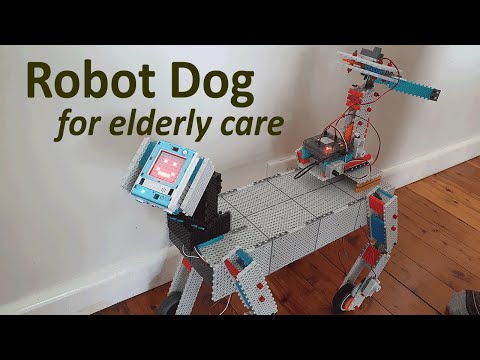
Robot Dog for Elderly Care
A student companion concept using sensing and an emergency alert.
 Watch student project
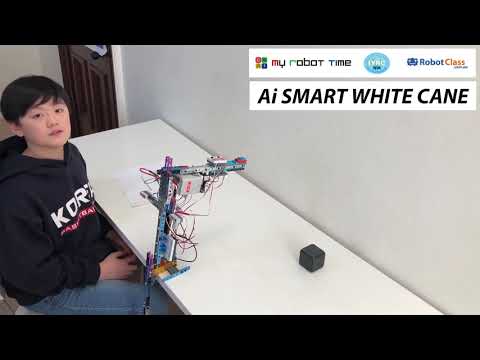
AI Smart White Cane
An assistive concept combining text reading and object detection.
 Watch student project
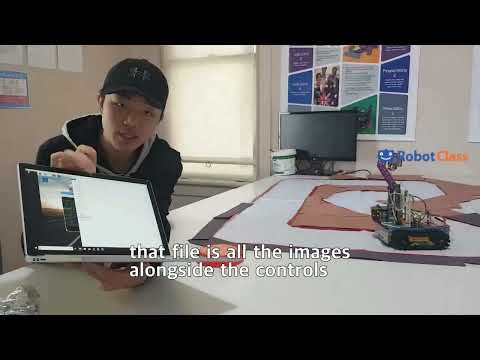
Self-Driving Car with Machine Learning
A camera-based learning project connected to vehicle control.
Watch student projectExplorer Climber Robot
A creative mechanism for movement through difficult environments.
Historic projects use different MRT hardware and, in some cases, additional equipment. They illustrate creative possibilities rather than identical kit contents or completion of the new 472 course.
Explore the student storiesLearn, practise, explain and participate
Prepare for the challenge with support.
Build a tested model, reliable control code and a record of how the solution improved. For 472, present your original design and demonstrate why it works.
Prepare
Equipment setup, teacher or family guidance and a suitable learning starting point.
Practise
Model testing, code review, sensor calibration, mission trials and troubleshooting.
Present
Project explanation, demonstration and guidance on published entry and submission requirements.
MRT will work with individual learners, families and school teams to make competition preparation as straightforward as possible. Students develop and explain their own solutions.
Course activities and learning evidence are separate from official competition judging. Check the current event’s eligibility, categories, dates, hardware rules and submission requirements. 472 is not presented as an official competition category, and equipment or course purchase does not include event entry.
Check official challenge informationLearning with purpose
Connections teachers can build into lessons.
Projects provide opportunities to develop data analysis, algorithm design, systems thinking, prototyping, collaboration and evaluation. Learners can also examine model bias and responsible handling of image and voice data.
451
Training-data records, unseen model tests and improvements to robot-control code.
452 and 471
Sensor calibration, decision priorities, vision/voice tests and reliable recovery.
472
An original design brief, prototype, integration tests, reflection and final presentation.
Suggested Australian Curriculum and NSW connections
Australian Curriculum: Digital Technologies and Design and Technologies. NSW Technology 7–8: TE4-DIG-02, TE4-MSC-01, TE4-PPM-01 and TE4-DES-01. NSW Computing Technology 7–10: CT5-DPM-01, CT5-THI-01, CT5-DAT-02 and CT5-SAF-01.
These are teaching connections, not official certification or a claim of meeting every outcome. Teachers select year-level content and assessment. MRT AI Stages 1–3 are different from NSW curriculum Stages 4–5. Block coding alone is not claimed to satisfy the general-purpose/object-oriented programming requirement of CT5-OPL-01.
Complete 402. Develop control in 451. Create your own robot.
Tell us your experience, existing equipment and learning setting. We will help identify the next step.